A home remodel is exciting. Whether it’s updating your kitchen, creating a spa bathroom, or transforming your entire home, there's nothing quite like seeing the ideas you've been dreaming about finally come to life.
But before the first cabinet or wall comes down, there's one important step many homeowners overlook: preparing the home.
If you are in Austin, you know the exact rhythm of 4:00 PM. The garage door opens, and everyone makes their way inside the house. Whether you are dropping off backpacks, wiping muddy paws, or unloading your bike and hiking gear after an afternoon outdoors, the mudroom is the central landing zone for your family's daily gear.
The typical doorway setup from the garage or backyard usually has a few shelves for shoes and wall hooks for jackets and bags. This basic storage rarely supports the way a family actually moves through the day.
That is why a custom mudroom between the garage and the main living areas is one of our most popular additions. If a dedicated mudroom was not part of the original floor plan, it is common to convert a back hallway or reconfigure part of the laundry room, kitchen, or other transitional space into one.
Investing in a custom mudroom gives you a practical drop zone that can handle your daily load, from bags and shoes to pet supplies and outdoor gear, so every arrival at home can be smooth and manageable.
If you are in Austin, you know the exact rhythm of 4:00 PM. The garage door opens, and everyone makes their way inside the house. Whether you are dropping off backpacks, wiping muddy paws, or unloading your bike and hiking gear after an afternoon outdoors, the mudroom is the central landing zone for your family's daily gear.
Investing in a custom mudroom gives you a practical drop zone that can handle your daily load, from bags and shoes to pet supplies and outdoor gear, so every arrival at home can be smooth and manageable.
The typical doorway setup from the garage or backyard usually has a few shelves for shoes and wall hooks for jackets and bags. This basic storage rarely supports the way a family actually moves through the day.
That is why a custom mudroom between the garage and the main living areas is one of our most popular additions. If a dedicated mudroom was not part of the original floor plan, it is common to convert a back hallway or reconfigure part of the laundry room, kitchen, or other transitional space into one.
There’s a sweet, predictable magic to hosting during the holidays: no matter how beautifully styled your living room is, everyone inevitably gathers in the kitchen. To help with prep, to get food for themselves, or to simply bask in family togetherness.
That’s why, as the holiday season approaches, many homeowners start looking at their kitchens a little differently. You might start noticing where it’s showing a little wear: the dim or obscured lighting, slightly scuffed cabinets, or a dining area that just feels a bit tired or neglected.
When the kitchen becomes the focal point of your home, you realize it deserves to look and feel as special as the moments you’re creating. And that’s your cue for a well-timed makeover.
Of course, the idea of renovating before the holidays can feel overwhelming. Responsibilities pile up, and for homeowners, finding the time to plan and manage a remodel isn’t easy. But you don't always need to knock down walls or do a full overhaul. Sometimes you just need quick, simple, but high-impact upgrades to transform your kitchen!
At Simply Home, we believe a beautiful holiday-ready kitchen starts with thoughtful planning, not rushing the process. With the right layout, materials, and a realistic construction timeline, we can transform your kitchen in time for the season.
Start thinking about window treatments as early as the design phase of your home renovation. As homeowners, you don’t need to order them during construction, but planning early in this period will give you more options for your home plus save you from extra costs.
For instance, your renovation team needs your decision early during drywall construction, just after electrical outlets are set up. That is to ensure your drywall has appropriate strength to support your chosen treatments.
More than that, it helps your team determine window depth, trim, cabinetry, ceiling height, and even the location of electrical outlets, especially if you’re thinking of motorized shades.
If you're considering inside-mounted shades, the finished depth of the window opening matters. If you're planning full-height drapery, the placement of the rod or track may need to work around crown molding, built-ins, or nearby doors.




.webp)




“Is this even in the realm of possible for us right now?”
“We’ve actually thought this through. We’re not hiding behind a giant cushion because we didn’t plan.”
.webp)


“Who do I want in my corner when those bumps happen?”

Luxury bathroom design has evolved significantly over the past two decades.
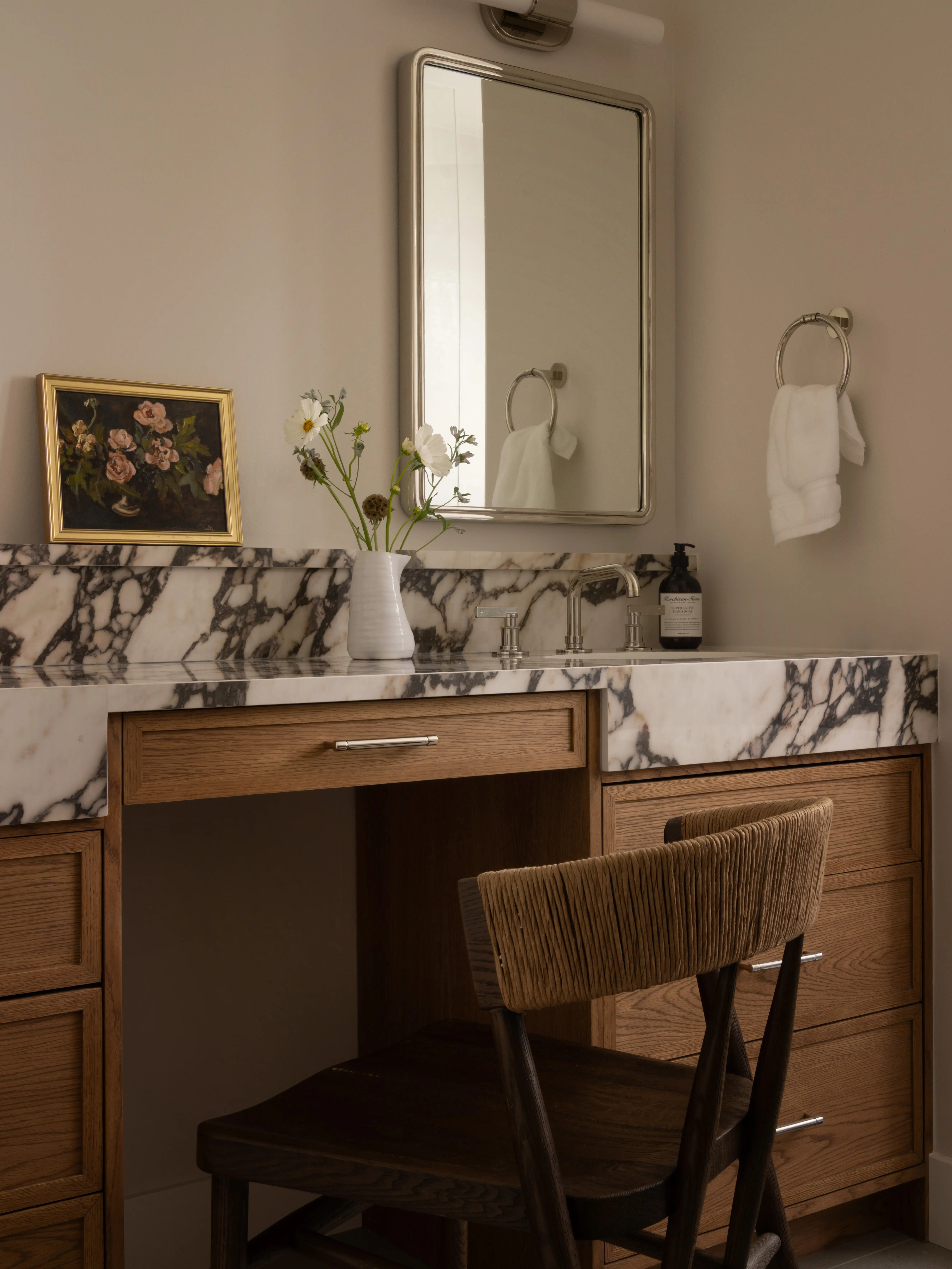
The heavy stone finishes and ornate details that once defined upscale homes have given way to cleaner lines, softer palettes, and a stronger connection to natural materials. Today's spa-inspired bathrooms focus on simplicity, comfort, and visual calm.
Current design principles combine organic textures, warm stone tones, and carefully selected architectural details that create a sense of balance throughout the space.
Luxury bathroom remodels frequently begin with rethinking the floor plan itself.
In some cases, walls may be relocated to improve circulation and functionality. Structural evaluations help determine whether walls are load-bearing and what modifications may be required to safely support the new layout.
When heavier materials such as cast-iron tubs, natural stone, or large-format tile are introduced, the floor structure may also need reinforcement to ensure long-term performance.
These improvements aren't always visible, but they create the foundation that allows every finish and fixture to perform properly for years to come.
Beautiful finishes can only perform as well as the systems supporting them.
For luxury bathrooms, our clients love features such as rainfall showerheads, body sprays, handheld wands, steam systems, and heated flooring. These upgrades may require modifications to your home's existing plumbing and electrical infrastructure.
For example, larger shower systems often demand increased water volume and drainage capacity to deliver a comfortable experience without sacrificing performance.
Thermostatic shower controls have also become increasingly popular. Unlike traditional valves, they allow homeowners to maintain a consistent water temperature regardless of what's happening elsewhere in the house.
These small but thoughtful upgrades have a big impact, giving you the comfort and convenience of a truly luxurious bathroom.
Few features capture the feel of a luxury spa quite like a spacious walk-in shower.
Curbless, or zero-threshold, showers have become a hallmark of modern bathroom design because they create a seamless visual transition throughout the room while improving accessibility and ease of use.
Achieving this look requires careful planning. The shower floor must be recessed and properly sloped to maintain drainage while remaining flush with the surrounding flooring.
For homeowners seeking an even more elevated experience, steam showers add another layer of comfort and relaxation. Because steam requires a fully enclosed environment, every detail matters, from ceiling design to ventilation and waterproofing systems.
We also prioritize proper waterproofing. High-performance waterproofing membranes help protect wall cavities and structural components from moisture intrusion, preserving both the beauty and longevity of the space.
One of the most overlooked elements of a luxury bathroom design is the wall finish itself.
Many homes feature orange peel or knockdown textures that were originally used to conceal minor imperfections. While practical, these textures can work against today’s clean, sophisticated aesthetic.
A smoother wall finish creates a more refined appearance and allows materials, lighting, and architectural details to stand out.
For bathrooms, moisture-resistant drywall, cement board, and specialty backing materials for wall substrates help ensure long-term durability while protecting against mold and water damage.
These interior finishes come together to create an elevated, more polished space.
Lighting plays a huge part in how a bathroom feels. A single ceiling fixture rarely provides the flexibility needed for both morning routines and evening relaxation. If your goal is to create a cozy space, stay away from harsh overhead lighting. Instead, use layered lighting, which can adapt to different activities throughout the day.
Our clients love wall sconces, floor-level lighting, and backlit panels. They are warm and easy on the eyes, helping you relax the moment you step in.
Many of our clients love stepping onto a warm floor after a shower.
Electric in-floor heating systems provide consistent warmth throughout the bathroom, a luxury you can’t live without, especially during colder winter mornings.
Warmth isn't the only hallmark of a luxury bathroom. High-efficiency exhaust systems remove excess moisture while operating quietly in the background. Modern humidity sensors can automatically activate ventilation when needed, helping protect finishes and improve indoor air quality without requiring any additional effort from homeowners.
Premium materials and upgraded fixtures, yes. And beyond that, your luxury bathroom genuinely supports your daily routines, soothes your mood the moment you step inside, and provides a sense of calm within a busy household.
Every design decision, from layout planning and plumbing infrastructure to lighting and material selections, contributes to the overall look and experience.
At Simply Home, we guide homeowners through every stage of the renovation process. Our team manages the planning, design, and construction details so you can focus on what matters most: enjoying a home that works beautifully for your family.
Remodeling naturally brings noise, dust, extra foot traffic, and temporary inconveniences. Preparing your home helps:
With proper prep, you create an environment where work can proceed safely, efficiently, and with minimal disruption.
Our ongoing Ginkgo project is a great example of how thoughtful preparation lays the foundation for a successful remodel.


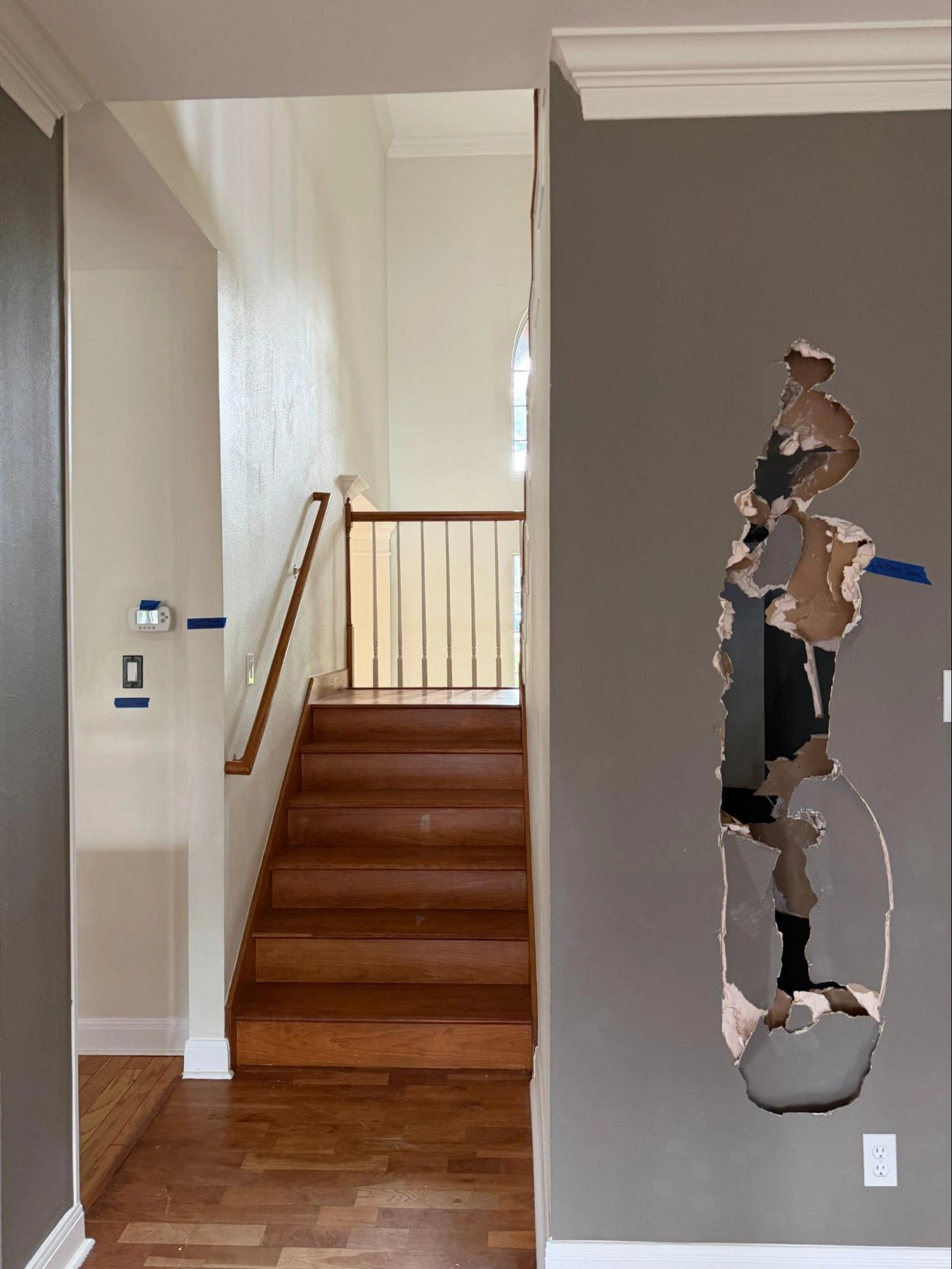
Before any demolition took place, our team took the time to prepare both the home and the job site through the following steps:
These behind-the-scenes preparations play an important role in setting the stage for a successful renovation.
In the one to two weeks leading up to your project, our team works through a detailed pre-construction checklist to prepare your home, organize the job site, and make sure everything is in place.
Throughout the process, your Project Manager will keep you informed, answer questions, and make sure you know what to expect every step of the way.
Before demolition begins, we walk through the home with you to determine what will be saved, donated, demoed, or discarded. Making these decisions early keeps everyone aligned, protects the features that matter, and allows construction to begin with a clear plan.
Preparing your home also means protecting the areas that aren't being remodeled.
Before construction begins, we cover floors, doors, trim, and other finished surfaces to help protect them throughout the project. Depending on the season and the scope of work, we'll also cover HVAC vents—or temporarily adjust the HVAC system—to help reduce dust circulation and protect your HVAC system during construction.
These protective measures allow our crews to work while keeping the rest of your home as clean and protected as possible.
A well-organized job site benefits both the construction team and the homeowner.
Before work begins, we establish designated entry and access points for our crews and deliveries, install the lockbox in a location that won't damage doors or trim, and coordinate the placement of project dumpsters or portable restrooms, if needed.
Before construction begins, we'll establish a schedule for regular site walkthroughs and weekly project meetings to ensure your project progresses smoothly from start to finish.
Throughout construction, our team stays actively involved to keep your project on track. Two to three times each week, a team member conducts an on-site walkthrough to review completed work, monitor progress, and coordinate with our trade partners. You don't need to be present for these visits.
In addition, your Project Manager will meet with you on-site each week to review progress, discuss the upcoming schedule, answer questions, and make sure everyone stays aligned throughout the renovation.
If you'd like to schedule an additional site visit outside of these regular walkthroughs, we're happy to arrange one. Please note that special requested visits may incur an additional charge.
From site protection and job site organization to regular walkthroughs and weekly project meetings, our goal is to create a remodeling experience that feels as organized and predictable as possible.
Preparing the job site is only part of the equation. Preparing your home is a shared effort, and the steps taken before construction begins can make a meaningful difference throughout the renovation.
Before construction begins, we ask homeowners to complete a few important preparations.
All architectural drawings, structural header calculations, and electrical layouts must be fully signed off before work begins. Altering sightlines or changing structural plans mid-stream disrupts the permitting flow and causes major schedule shifts.
From your primary tile choices to every doorknob, finish selections must be finalized, ordered, and tracked. Having builder-supplied materials—like windows, exterior doors, or custom cabinets—either on-site or verified in our warehouse avoids costly mid-project pauses.
All personal belongings, furniture, clothing, and wall decor must be completely removed from the project areas. For kitchen remodels, this includes emptying pantry items entirely, as paint or finish fumes can easily penetrate standard food packaging and ruin food.
During construction, our crews and trade partners will be working in and around your home each day. To help the project run smoothly:
Construction zones are filled with hazardous materials, loud noises, and constant movement. We require all pets to be safely removed from the home or securely boarded during all working days, as we are not liable for any incidents involving your pets.
Additionally, if your project involves extensive cabinetry painting or major plumbing shut-offs, you will lose access to appliances and plumbing. We highly recommend scheduling a few days to stay elsewhere to avoid strong fumes and the lack of operational bathrooms.
Remove all pantry items and personal belongings from the work area before painting begins. Paint fumes can penetrate food packaging. During this phase, you may temporarily lose access to appliances, bathrooms, or other parts of the home.
If anyone in your household is sensitive to paint fumes, consider making temporary arrangements to stay elsewhere until this stage is complete.
Construction schedules are dynamic. While we carefully plan every phase of your remodel, inspections, material deliveries, weather, and unforeseen conditions can affect the schedule. You may notice that work isn't scheduled every day, and that's often intentional to allow different trades and inspections to happen in the proper sequence.
Clear communication helps every project stay organized.
If you notice something that needs attention, simply add it to your Buildertrend portal so your Project Manager can review it during the next site visit. To ensure requests are tracked properly, we ask that all project communication go through your Project Manager rather than directly with vendors.
Our team is available Monday through Friday, 9:00 a.m. to 5:00 p.m. Please allow up to 24 hours for responses, as much of our time is spent managing active job sites. Throughout the remodel, you may occasionally be asked to make decisions or answer questions so work can continue as scheduled.
In the event of an emergency—such as flooding, fire, or theft—please contact the appropriate emergency services first.
To keep your project moving on schedule, payments should be made within seven calendar days of invoicing. If you anticipate a delay, please let your Project Manager know. Otherwise, work may be paused until payment is received.
Understanding the timeline of a renovation helps normalize the natural emotional highs and lows of the process. Every project follows a predictable pattern, and knowing what to expect can keep you grounded when the workspace feels chaotic.
Many of our clients are quite excited about this prep period, and every homeowner approaches remodel prep a little differently.
Some are eager to get started and begin packing weeks in advance. Others are juggling work, school, and busy schedules, so they tackle it one room at a time. Some families with kids even turn clearing out the kitchen into a weekend project together!
However, you’d choose to do it, preparation is the official kickoff to your remodel. Once the cabinets are emptied and the work area is ready, the transformation can begin.
At the same time, choosing a remodeling company that invests in careful planning and site preparation helps ensure your home is protected every step of the way.
With the right preparation on both sides, you can focus less on the disruption and more on the excitement of seeing your new space come to life.
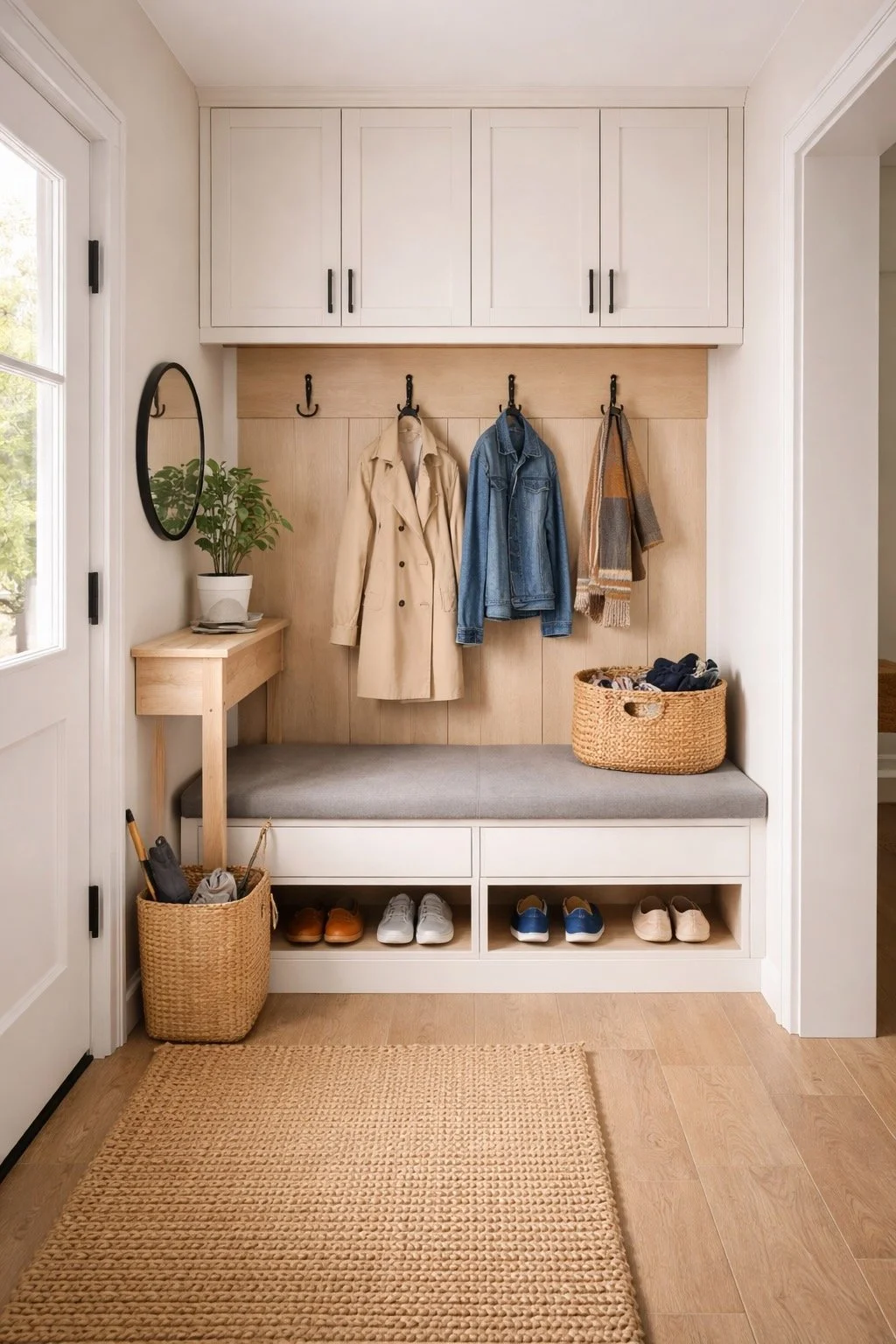
Unlike the front door’s entryway or foyer designed to welcome guests, a mudroom is your home’s everyday transition zone. Typically located off the garage, side entrance, or back porch, it is the space that bridges the outdoors with the rest of your home.
A well-designed mudroom can serve several important purposes:
A truly functional mudroom balances open, quick-access spaces for your daily grab-and-go items with closed cabinetry to tuck away seasonal gear you do not need every day.
The upper cabinets are great for items you only reach for a few times a year, like heavy winter coats, holiday entertaining essentials, travel luggage, or seasonal décor. Using top-hinged or soft-close doors can keep these overhead areas clean and help reduce clutter along your hallway wall.
The middle section is for the items you use most often. Open cubbies, drawers, or shallow lockers make it easy to hang coats, set down packages and bags, store pet leashes, or keep outdoor gear within reach.
For a more personalized setup, consider installing individual lockers for each family member or creating dedicated zones for everyday essentials, pet supplies, or hobbies. Add sturdy hooks or drop trays for keys, sunglasses, and mail. You can also opt for charging drawers to keep everything organized and easy to find.
The base of the storage handles constant weight, from taking off shoes to setting down heavy bags and outdoor gear.
Reinforced framing, topped with solid hardwood caps or quartz tops, supports built-in benches and prevents wear and tear from heavy loads. Underneath, the full-extension drawers can hide bulky items like sports pads or foldable trolleys. There are also ventilated metal mesh trays that give damp footwear room to air out.
A great layout is just the beginning. Your mudroom should be built to handle heavy bags, wet shoes, and everyday wear with durable, high-quality materials.
What happens behind the walls matters just as much as the finish on top. Strong structural support keeps hooks, benches, and built-ins secure for daily use, keeping your mudroom just as dependable as it is beautiful for years to come.
Think about everything your mudroom hooks are expected to hold, from heavy backpacks and work bags to sports equipment and bulky coats. Over time, that daily weight adds up. Hooks fastened only into drywall can loosen or pull away from the wall.
For a stronger installation, we recommend adding solid wood support between the wall studs behind the drywall. This gives hooks, cabinetry, and other hardware a secure surface to fasten into, preventing sagging and standing up to years of everyday use.
While Medium-Density Fiberboard (MDF) provides a smooth surface for paint, it can absorb moisture from rain jackets or muddy boots and may swell over time.
To help prevent that damage, we recommend using interior cabinet boxes and benches made of high-grade maple or birch plywood. Moisture-resistant plywood holds hardware fasteners tighter over time. It also withstands humid Central Texas weather without swelling or warping at the seams.
Most suburban Austin homes have standard orange peel or knockdown drywall textures. While that works fine in hallways, rough surfaces in a mudroom can trap dust and catch stubborn black marks from backpacks and shoes.
For custom storage that’s easier to keep clean, we recommend a smooth Level 5 finish inside open cubbies. A durable urethane enamel adds a tough, washable surface that can handle everyday cleaning while keeping the space looking fresh.
Once your mudroom is built to handle physical wear and tear, it should also be able to accommodate your tech and other household tools.
Your mudroom can serve as the landing zone for the devices you carry every day. It’s highly recommended to add built-in charging drawers or lockers with recessed USB outlets. You can keep laptops, tablets, headphones, smartwatches, and even power banks charged and ready before you head out.
This helps solve several daily headaches at once:
If your family's weekends revolve around youth sports leagues or taking the dogs around neighborhood trails, you may need more than just standard shelving. Custom cabinetry can handle the job better, which allows you to tailor compartments based on your family's specific routines, so even awkwardly shaped items are easier to put away and find again.
Here are a few examples:
Mudroom floors and wall surfaces get the most activity. Whether you are coming in from the garage, the backyard, or a rainy walk with your dog, these areas receive accidental scratches and heavy loads. Choosing durable, low-maintenance materials helps keep your mudroom clean, beautiful, and secure.
To balance durability with a high-end look, we suggest focusing on heavy-duty finishes that clean up easily.
Here are the top high-performance surface materials to consider for your mudroom project:
Once you have selected highly durable materials, it’s time to focus on blending your custom mudroom storage into your home's overall design.
At Simply Home, we want your built-in storage to connect beautifully to the spaces around your home.
Investing in custom mudroom storage can transform the way your home functions every day.
When shoes, bags, charging devices, pet essentials, and outdoor gear all have a designated place, everyday routines can become simpler and more organized. Instead of searching for missing items or navigating clutter, you can spend less time managing your belongings and more time enjoying your home and your life outside.
At Simply Home, we understand that every household has its own routines, storage needs, and lifestyle. That is why we design custom mudrooms that are as beautiful as they are practical, while managing every step of your renovation from concept to completion.
Ready to create a mudroom that works for your lifestyle?
Connect with our team today to schedule an initial consultation!
Let’s build a space that works as hard as you do.
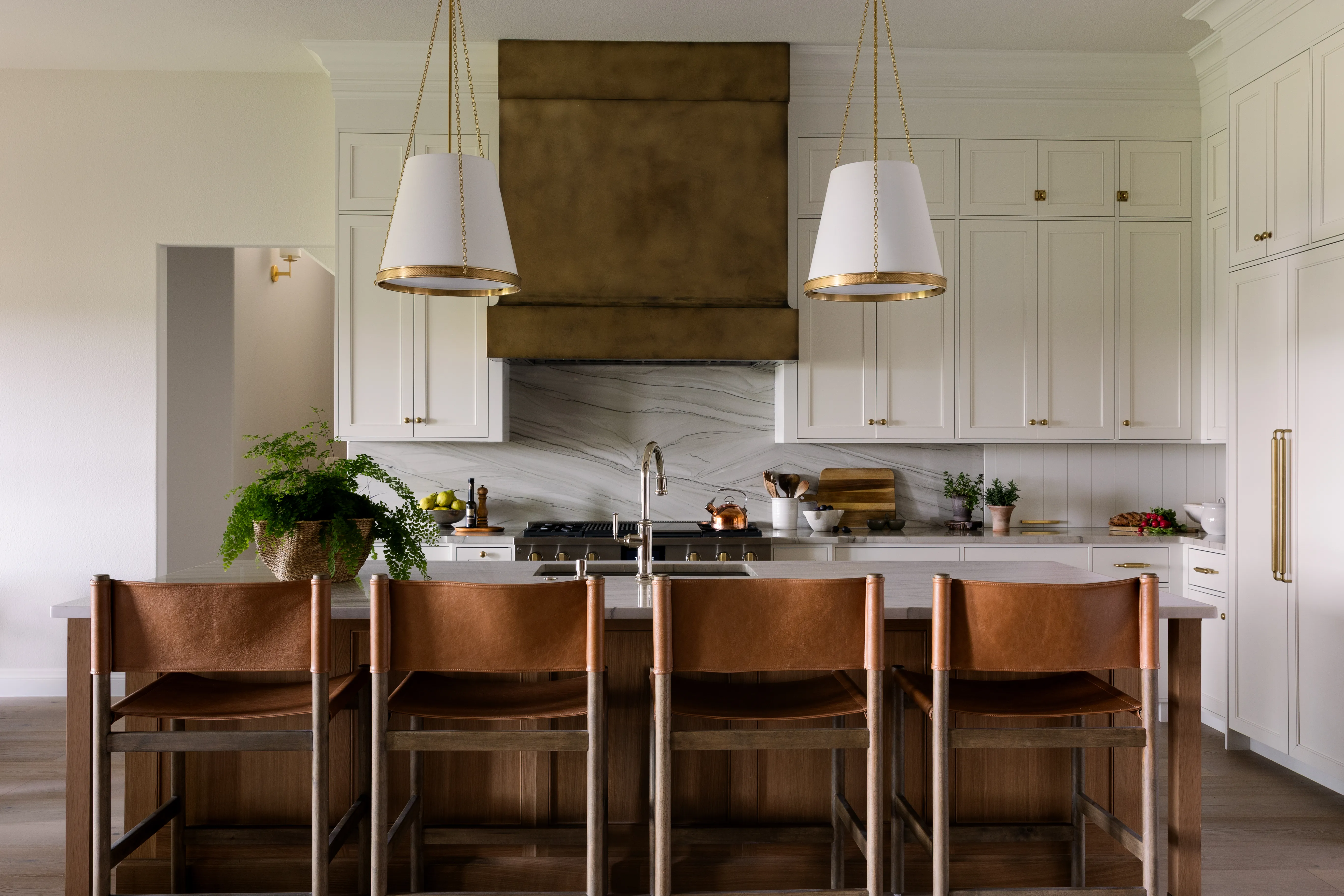
A quick but breathtaking kitchen makeover should focus on the details guests notice right away, like the lighting, cabinet finishes, and counter surfaces.
From custom cabinetry and seamless stone backsplashes to smooth wall finishes and elevated fixtures, these updates can completely refresh the heart of your home. When prepared for and started just in time, your kitchen will be ready for all holiday cooking, gathering, and celebrating!
Here are a few high-impact makeover ideas that can transform your kitchen, ready for the holidays.
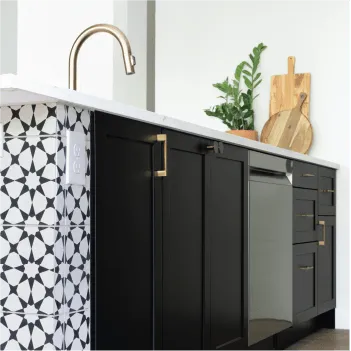
Swapping out deep, dark lower cabinets for sleek, custom drawer banks is both functional and a visual game-changer. Instead of losing heavy pots in the back of a cabinet, you can level up to custom-depth pull-outs to keep everything accessible.
Upgrading your cabinet door fronts and pairing them with new drawer banks can instantly modernize the space.
To make this more breathtaking, you can finish the look with heavy, tactile hardware, like knurled brass pulls or matte-black handles for that gorgeous, custom finish. These items may sound simple or minor, but they can redefine your kitchen’s aesthetic in a snap.
Want that instant injection of modern luxury? A continuous stone slab backsplash can create a clean, seamless look that feels especially elevated. Running the same quartzite or engineered stone from the countertop up the wall creates a continuous visual plane, which can make the kitchen feel more open and cohesive.
There’s also a practical advantage. Since the slab is fabricated off-site, installation can take just a few hours once it’s ready. That can shorten the process compared with traditional tile, which typically involves more wall preparation and grout work.
A fresh coat of paint can make a noticeable difference in your kitchen and dining area without requiring a major renovation. For a holiday-ready refresh, consider a low-VOC paint in a finish suited to kitchen walls. A thoughtful color change can give the room a polished, updated feel while keeping the project relatively quick and manageable.
If you don’t want a big change, we suggest choosing colors a bit lighter, or in general closest to the paint you have now. Soft, warm neutrals can brighten the space and create a clean backdrop for your cabinetry, countertops, and fixtures.
Besides changing up colors, repainting also helps you to finally remove those unavoidable scuffs and wear in your kitchen wall, leaving the room looking clean and ready for holiday gatherings.
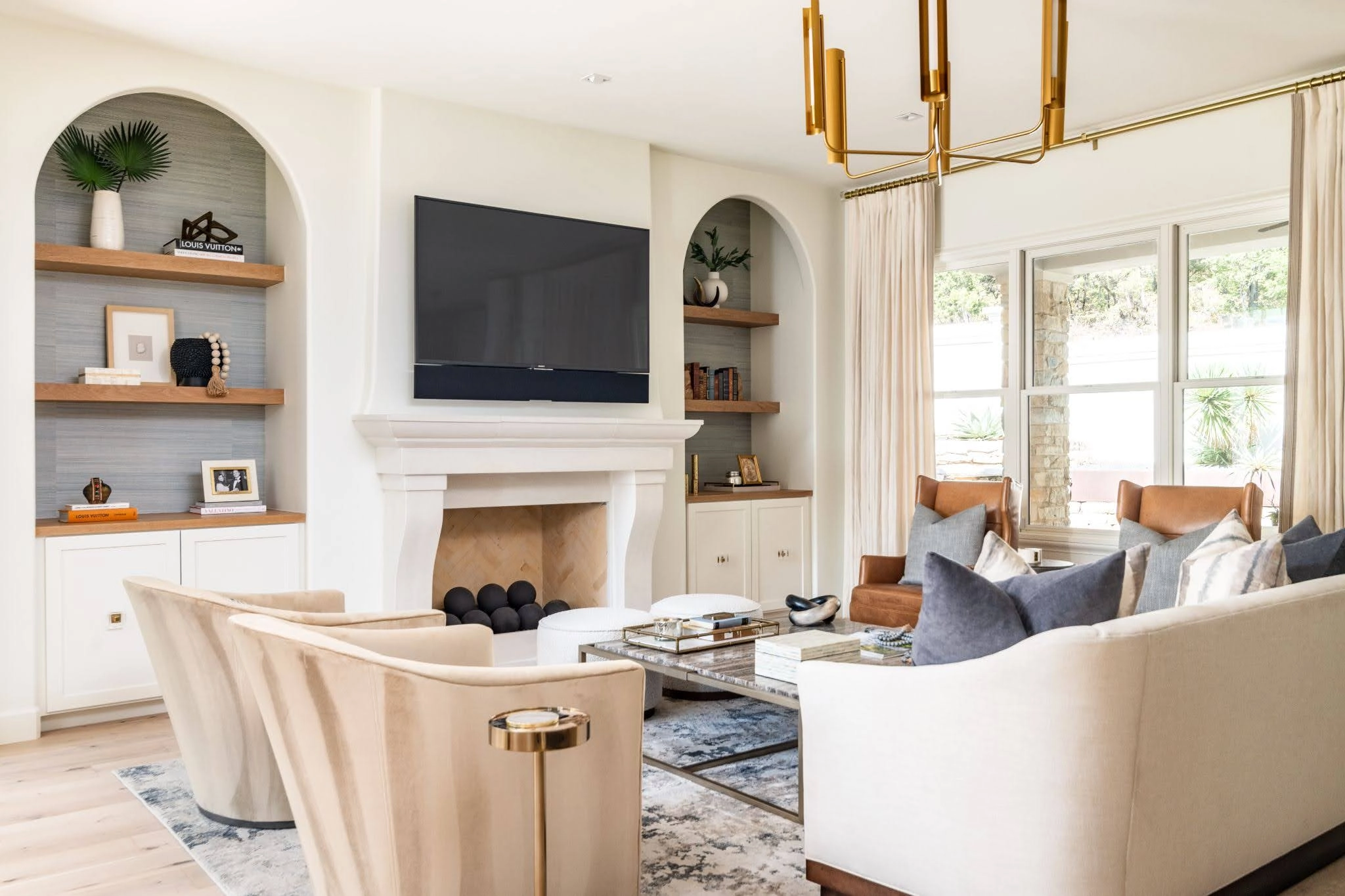
Window treatments are also quick but high-impact: they can make a kitchen more finished and intentional. They can completely change the character of a space without requiring any structural work or a lengthy renovation.
For a polished, modern look, opt for simple, tailored treatments such as woven shades or full-height custom drapery in light, neutral, or vibrant colors. Austin Window Fashions recommends moisture-resistant materials, easy-to-clean fabrics, and cordless designs. They can be roller shades, composite shutters, or cellular shades.
The key is the perfect proportions and professional mounting. The change is immediate: an illusion of larger windows and a more generous space.
The right window treatment in your kitchen also helps control natural light, glare, and privacy. It’s a relatively quick upgrade, with a big pay-off on how the entire room looks and feels.
Of course, we’ll never underestimate the breathtaking impact of luxury fixtures. It’s time to swap your standard stainless sink fixtures for something more striking.
We suggest using a high-arc pull-down faucet in a warm brass tone or matte gunmetal for a subtle touch of elegance that elevates the entire sink area.
It works wonders when paired with discreet electrical updates, like flush-mounted island pop-up outlets and concealed under-cabinet plug strips. These thoughtful details can meet Texas electrical code while keeping your new slab backsplash clean and free of visual clutter.
With the right kitchen upgrades in place, the next step is making sure your kitchen also feels inviting and functional when it’s time to eat and entertain!
Beyond meal prep, thoughtful storage, clear sightlines, and the right lighting can make the kitchen feel more open, comfortable, and welcoming for holiday gatherings.
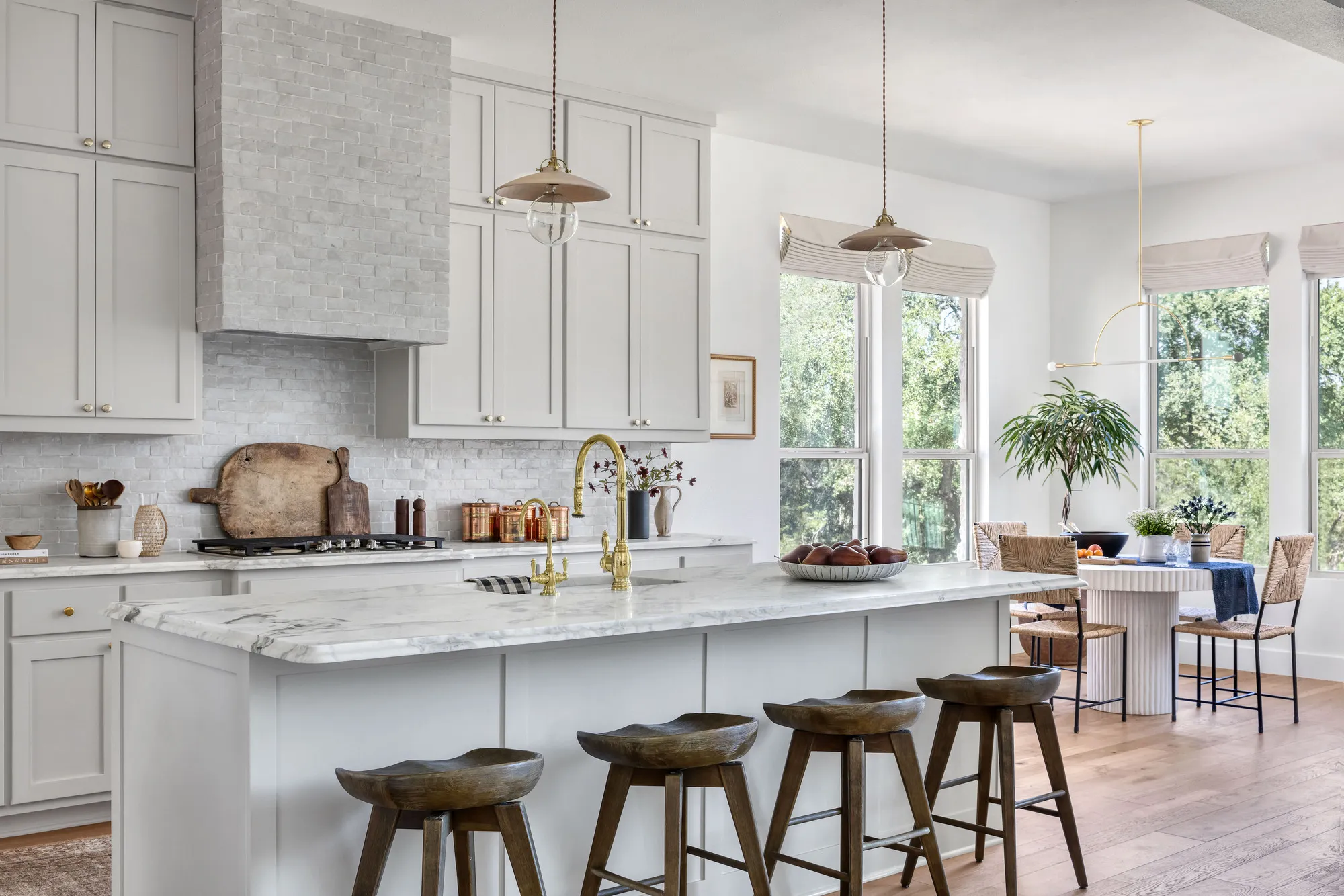
Lighting is the jewelry of your kitchen. It’s time to exchange your initial fixtures for more scaled and modern statement lights that can add that immediate warmth to define your hosting space. Some main choices are warm brass domes or sleek glass globes. Whichever your taste calls you to, these new pendant lights will surprise you with the elegance they can bring to your kitchen and dining spaces.
Upgrading your functional lighting is also a great way to complement your decorative fixtures. Replacing single ceiling fixtures with warm, recessed architectural LEDs can eliminate those harsh shadows across your prep zones.
We love task lighting, and we recommend a Color Rendering Index (CRI) of 90 or higher. This may sound like a minor upgrade, but the result is a great visual refresh that adds ambience and brightens the room.
If you’ve noticed that your kitchen feels stuffy and cramped, try installing glass.
Selectively replacing a few solid upper doors with glass-front cabinetry instantly creates that airy, open, and spacious feel. It’s a quick and simple aesthetic upgrade, and you get a gorgeous, bright display for your holiday serving pieces or favorite glassware.
A breathtaking space should feel just as functional as it looks. One way to elevate your kitchen and dining areas is with smart storage solutions that keep everything organized and within reach.
For a clean, streamlined look, consider upgrades like roll-out tray dividers, blind-corner pull-outs, and dual trash centers.
These help keep cutlery and dishes safely stored away through quick installation into existing cabinetry frames. You can even step it up more by combining it with a 42-inch walkway clearance and 15 inches of island knee space. These upgrades help you make sure that your guests can comfortably mingle without blocking you from the oven!
Once your kitchen is designed for comfortable cooking and hosting, the next step is choosing materials that can keep up with all the activity, especially during the holidays.
Between slow-smoked BBQ, big family meals, wine spills, and plenty of foot traffic, your materials need to balance organic beauty with low-maintenance durability. Your kitchen makeover should be able to keep up with everyday living, holiday gatherings, and everything in between.
Surfaces like Taj Mahal quartzite or non-porous engineered quartz deliver the luxurious depth of natural stone while standing up effortlessly to holiday spills, oils, and red wine. These durable materials provide stunning, highly resilient countertops for your guests to hang out in.
Picture it: your friends leaning on those elegant quartzite countertops in your kitchen, while you prepare your blockbuster lasagna recipe.
Nothing upgrades the foundation of a room quite like wide-plank, white oak engineered flooring. It brings that immediate organic warmth to a dining space and pairs beautifully with modern kitchen aesthetics. It’s homey, warm, and undeniably breathtaking.
Scoring exceptionally high on the Janka Hardness Scale (1,360 lbs), white oak flooring can handle that heavy Texas holiday traffic but is quicker to install than other hardwood.
A simple cosmetic kitchen refresh takes about 8 weeks, while a complete kitchen transformation typically takes an average of 5-7 months from the initial design consultation to the final hardware installations plus permitting.
While the active construction portion of the project is fast, a full kitchen remodel with custom cabinet fabrication usually requires a 6-8 week buffer from initial order to installation. It’s also best to account for the time of finalizing architectural plans. The process and the timeline to complete Austin's permitting process and wait for deliveries is unpredictable, so it’s best to plan and start as early as possible.
To help you plan your upcoming project, here is a realistic breakdown of how the timeline usually goes.
Pre-construction is the foundational phase where a contractor finalizes your layout, pulls necessary local permits, and orders materials. Finalizing material orders by late summer gives you a better shot at having every fixture, door, and slab on site before demolition begins.
Here is a timeline table to help you get a better idea of what is completed in each phase.
With a clear timeline, you’ll have a better sense of what needs to happen and when, and your kitchen can be ready for the holidays without the last-minute rush.
Yes, you can comfortably remain in your house while we work on the remodel! We believe updating your kitchen doesn’t have to disrupt your family’s health, routine, or peace of mind. We strictly aim to isolate our work zone to avoid any interruption from your daily lifestyle. This way, your home also stays clean throughout the process.
In Central Texas, HVAC systems run almost year-round. Seasonal allergies are a major concern, so we keep construction dust out of your ductwork. To protect your home's air quality and keep your daily life running smoothly, we implement the following comprehensive dust-management protocols:
With the timeline and safety measures mapped out, the final piece is having a team that can bring the plan together while keeping your home and routine in mind.
Updating your kitchen doesn’t have to come with concerns for your family’s health, routine, or peace of mind. That’s where we come in. At Simply Home, we protect your living space with HEPA air scrubbers and temporary containment barriers so your home stays clean throughout the process.
We manage every detail around your schedule, and before long, you can enjoy a beautiful, refreshed kitchen with your family and guests this season.
Ready to transform your kitchen for the holidays?
Connect with our team today for your initial consultation!
If your interior design includes statement drapes or motorized shades, some of the most important work happens before the walls are finished. These treatments may look like decorative details, but they often rely on structural and electrical preparation behind the scenes.
Heavy drapery needs more support than drywall alone can provide. During framing, contractors install horizontal wood blocking between the wall studs above the window. That concealed backing creates a secure anchor for drapery rods and ceiling-mounted track systems.
Planning for statement drapes early allows the framing team to add this support before drywall and paint are complete, avoiding costly adjustments later.
Motorized shades also benefit from early planning. If you're choosing a hardwired system, electricians run low-voltage wiring to the window headers before insulation and drywall are installed. This creates the clean, wire-free appearance that makes smart shades feel seamlessly integrated into the home.
By deciding on motorized shades before the walls are closed, your renovation team can coordinate the wiring with the rest of the electrical work instead of retrofitting visible cords after the room is finished.
At Simply Home, we recommend that homeowners do a little planning at this stage so the final installation feels effortless, bringing you one step closer to enjoying a fully finished home.
Once the behind-the-walls preparation is complete, the rest of the process becomes all about timing. Knowing when to measure, order, and install your window treatments helps each phase of the renovation flow smoothly without delaying the finishing touches.
Below is a recommended timeline of when window treatments typically fit into each construction phase.
While you don't need to manage every measurement or construction detail yourself, you do want to give yourself options by preparing for window treatments you already have in mind. Your renovation team can coordinate during the build.
Custom window treatments take time. Measurements, material selections, hardware, fabrication, shipping, and installation: each step can add time to the process.
For many renovations, starting the window-treatment process 8 to 12 weeks before you want the treatments installed gives you a reasonable planning window. Specialty products or custom materials may take longer, so the actual lead time will depend on what you choose.
That doesn't mean the treatments need to be installed while the renovation is still underway. It simply gives you enough room to make decisions without turning them into a last-minute purchase.
This matters especially if you have a move-in date in mind. Imagine settling into your newly finished home with the windows already nicely draped or shaded. That’s a wonderful feeling.
The right window treatment should make your home feel more comfortable to live in. In Central Texas, that often means choosing materials that soften intense afternoon sun without sacrificing natural light.
South- and west-facing windows tend to receive the strongest heat and glare throughout the day. Layering treatments is one of the most effective approaches: a solar or woven shade filters daylight while preserving the view, and drapery adds privacy and extra insulation in the evening.
Window treatments are also an opportunity to bring personality into your home. Whether you lean toward airy linen drapery, natural woven shades, or clean motorized designs, the details can reinforce the character of the space.
For a closer look at what's gaining momentum locally, Austin Window Fashions lists down the types and designs of window treatments shaping Austin homes this 2026:
The proper window treatments make a room feel finished, intentional, and welcoming. They can change the character of a space. More than that, window treatments give you control over how your space functions and feels throughout the day.
Let’s say you’re looking for a polished, modern look. You can opt for simple, tailored treatments like woven shades or full-height curtains in a light or neutral fabric.
Window treatments provide more variations to enjoy your space. Thick drapes help darken bedrooms for a more comfortable sleep even during the day. Layered treatments let you control the natural light that enters your living room so it shines on your chandelier, scattering beautiful beams on your freshly painted walls.
The proper window treatment makes your space more beautiful and functional – like an extension of your lifestyle and personality.
We believe window treatments complete the look of every remodelled home. It's the cherry on top of your renovated space, tying every room together like a perfect bow.
Discuss your window treatment plan early with your team so every detail fits with your remodelled space and lifestyle. Don't let it be an afterthought.
At Simply Home, we don’t just work with you to build your space. We are also partners in intentional design so your home follows your lifestyle.
Ready to transform your space?
Connect with our team today for your initial consultation!
.webp)